
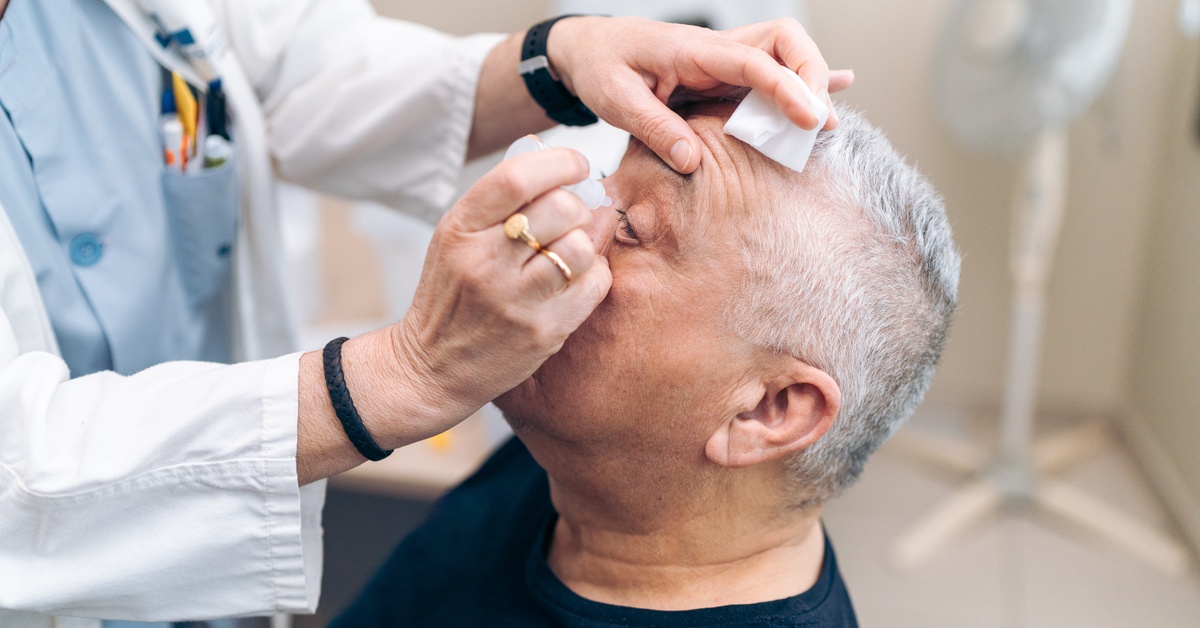
Diabetes affects many parts of the body, and the eyes remain one of the most vital areas to monitor. Regular eye evaluations help clinicians identify changes before vision becomes affected, allowing patients to maintain better long-term outcomes. As a result, tonometry and diabetes care frequently intersect during routine eye health assessments. Eye care providers continue to rely on established diagnostic methods to build a more complete picture of ocular health in patients living with diabetes.
Eye Health and Diabetes
Pressure measurements contribute valuable information during eye assessments. While tonometry doesn’t diagnose diabetic eye disease, it provides insight into intraocular pressure, which remains an major component of a comprehensive eye exam. Providers combine these findings with other diagnostic observations to evaluate overall eye health.
Why Pressure Monitoring Helps
Intraocular pressure remains a key metric during ophthalmic evaluations because elevated pressure may increase the risk of glaucoma. Since diabetes remains an important consideration during eye examinations, clinicians maintain a proactive approach to monitoring ocular health. Regular measurements create useful baseline data that can guide future evaluations.
Benefits of Routine Testing
Routine pressure checks fit naturally into comprehensive diabetic eye examinations. The procedure requires little time, but it contributes meaningful clinical information that supports broader diagnostic efforts. Patients also benefit from tracking trends across multiple appointments.
Several advantages make tonometry a common component of diabetic eye care:
- Provides objective intraocular pressure measurements
- Generates data that can be compared across visits
- Helps establish baseline readings for comparison
- Complements retinal and optic nerve evaluations
- Contributes to comprehensive patient assessments
Support for Clinical Decisions
Diagnostic accuracy depends on reliable equipment and dependable clinical workflows. Eye care professionals need consistent performance from the tools they use every day. Reliable measurements help support confident decision-making throughout the patient care process.
Ophthalmic supply companies play a role in supporting practices that perform tonometry and other diagnostic procedures. These specialized suppliers provide products and accessories used by ophthalmologists, optometrists, glaucoma specialists, and other eye care professionals. Access to dependable supplies helps clinics maintain continuity in patient care and testing protocols.
Look Beyond One Reading
A single pressure measurement provides useful information, yet trends across multiple visits frequently offer greater clinical value. Changes observed over months or years provide additional context when providers review a patient’s examination history. Clinical decisions become stronger when supported by a history of documented findings.
Consistent monitoring encourages earlier recognition of changes that may require further evaluation. Patients benefit when eye examinations remain an ongoing part of their healthcare routine.
Work With the Right Partner
Protecting vision requires attention, consistency, and a commitment to regular eye health monitoring. Tonometry continues to serve a crucial purpose by providing information that complements other diagnostic findings during diabetic eye examinations.
Healthcare professionals seeking dependable resources frequently turn to industry leaders such as Automated Ophthalmics for our longstanding commitment to tonometry-related products. To learn more about supporting efficient diagnostic workflows with trusted ophthalmic supplies, explore our resources and connect with knowledgeable professionals serving the eye care community.