
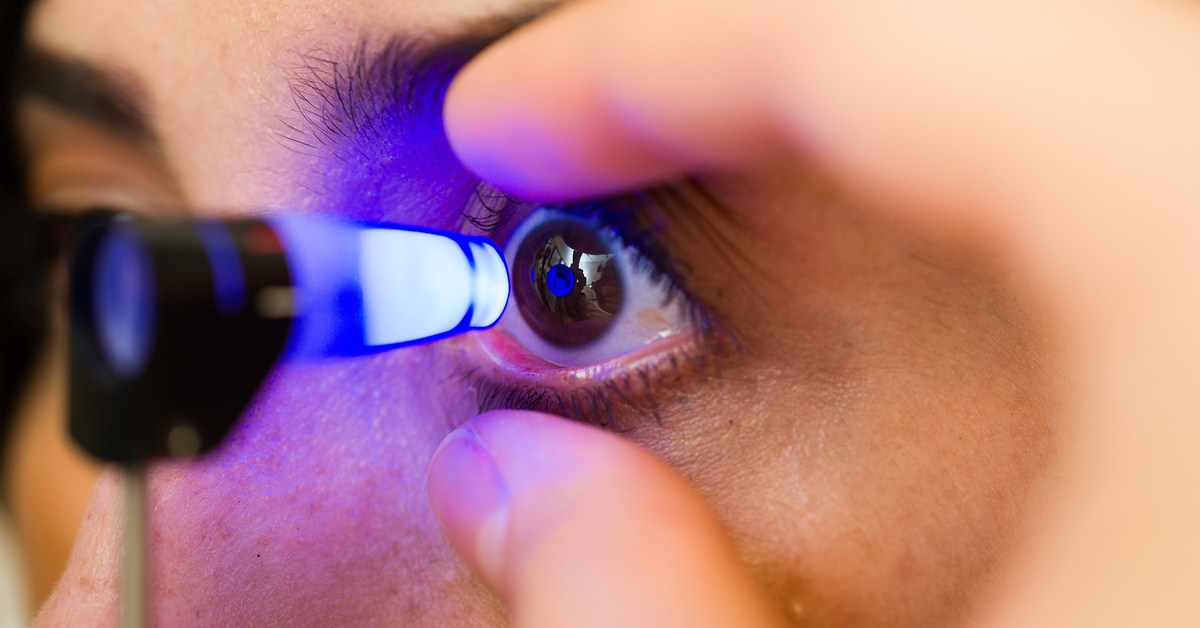
Many eye conditions develop quietly and progress without disrupting daily routines right away. Therefore, eye doctors encourage preventive care habits that support long-term visual health. In fact, important routine glaucoma screenings give healthcare professionals an opportunity to monitor subtle pressure changes before they interfere with quality of life.
Consistent Monitoring Supports Care
Routine eye care appointments strengthen communication between patients and providers. When patients return for scheduled screenings, doctors gain a stronger understanding of personal health history and visual patterns. As a result, conversations become more productive and personalized. Eye care professionals also use these visits to discuss factors connected to visual wellness.
Reliable clinical tools also support smoother screening appointments. Many practices work with ophthalmic supply companies that provide products used during tonometry and related eye pressure evaluations. These companies supply protective accessories and specialized ophthalmic materials used throughout eye care settings. Access to dependable equipment contributes supports healthcare professionals during patient evaluations.
What Screenings May Include
Glaucoma screenings involve several steps that help eye care professionals evaluate eye function and pressure levels. Each part of the appointment supports a broader understanding of the patient’s visual health. Moreover, these evaluations fit naturally into comprehensive eye exams and ongoing preventive care visits. During a routine appointment, providers may focus on the following areas:
- Measuring intraocular eye pressure
- Examining the optic nerve appearance
- Evaluating peripheral vision function
- Reviewing patient health history
- Monitoring changes between appointments
These screening steps help providers gather a complete picture of eye health while maintaining consistency between visits.
Support Long-Term Vision
Preventive care habits influence eye health throughout adulthood. Patients who stay current with appointments create stronger opportunities for ongoing observation and communication with their providers. Additionally, regular screenings help normalize preventive eye care instead of limiting appointments to urgent concerns. Healthcare professionals value consistency because it strengthens long-term patient relationships and promotes more informed decision-making.
Family history also shapes screening conversations. Patients with relatives who experienced glaucoma may receive recommendations for closer monitoring and more frequent evaluations. Therefore, discussing family medical history during appointments supports better care continuity. These conversations also encourage patients to stay engaged with their long-term visual wellness.
Build Better Patient Habits
Patients sometimes delay their eye exams. However, preventive appointments work best when they become part of a regular healthcare routine. Therefore, providers continue emphasizing the value of preventive screenings during educational conversations with patients.
Clear communication also improves patient confidence during screenings. When providers explain each step of the process, patients gain a better understanding of why these evaluations deserve attention throughout adulthood.
Additionally, dependable ophthalmic products help create smooth clinical experiences during pressure evaluations and routine exams. Automated Ophthalmics continues supporting eye care professionals with specialized ophthalmic supplies used during tonometry and related procedures. Explore our resources today to support your practice with dependable products that help maintain efficient patient care.