
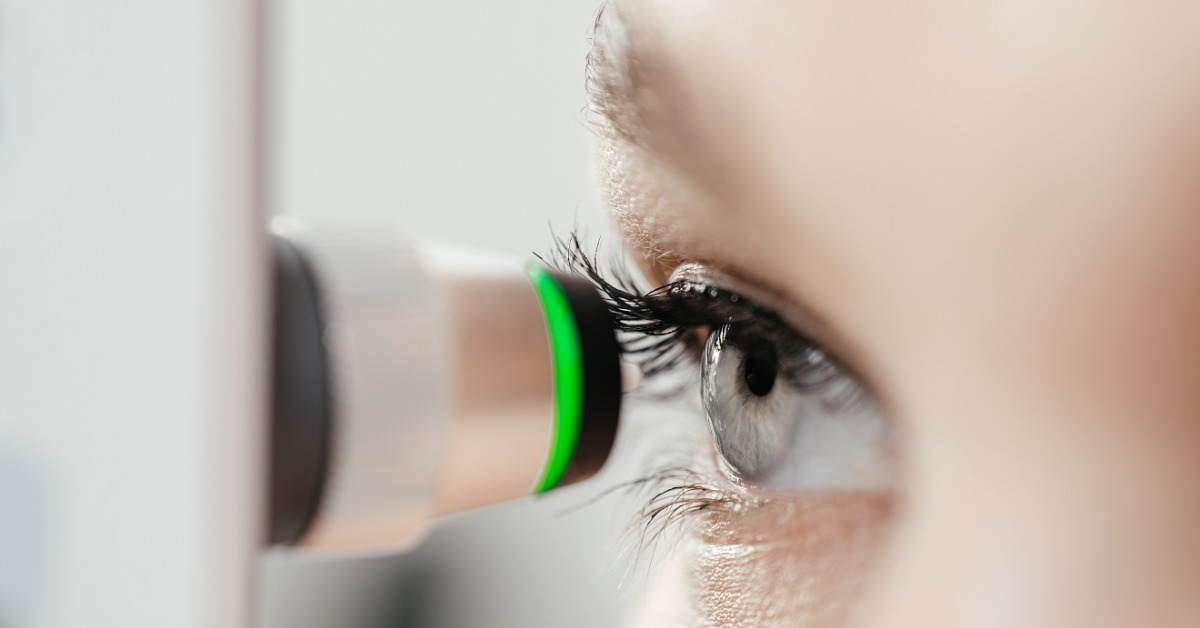
Busy eye care clinics rely on efficient preparation routines that support proper equipment handling throughout the day. When your team performs tonometry, the disposable supplies you choose deserve careful consideration. One of the primary reasons clinics switch to sleeved tip covers is the convenience they offer during tonometry procedures. Examining these practical advantages can help you decide if they’re right for your clinic.
1. Easier Cover Placement
Applying a protective cover shouldn’t complicate your tonometer preparation. Sleeved tip covers feature an extended sleeve that provides a dedicated gripping area during application. This allows you to position the cover without directly handling the portion that contacts the instrument’s transducer.
The designated gripping area can make it easier to guide the cover into position over the transducer. However, proper positioning remains essential regardless of the cover style. Follow the manufacturer’s instructions to confirm that you’ve positioned the cover correctly.
2. Less Direct Contact
Your clinic’s infection control procedures extend to the disposable supplies used during tonometry. Since the protective cover creates a barrier between the instrument and the patient’s eye, keeping its tip free from unnecessary contact is important.
Sleeved covers can support this goal by reducing the need to touch that surface during routine handling. Choosing a sleeved option can also complement your clinic’s existing infection control practices without replacing established cleaning protocols.
3. More Consistent Staff Preparation
Multiple staff members may handle tonometry preparation throughout your clinic’s daily schedule. When your team follows the same application method, you can maintain a consistent routine between patients. Your team can incorporate the sleeve’s designated gripping area into a standardized application procedure.
Follow these simple handling guidelines to reinforce that approach:
- Hold the cover by its designated sleeve
- Avoid touching the protective contact surface
- Check compatibility with your Tono-Pen model
- Confirm proper placement before measurement
- Replace the disposable cover between patients
4. Simpler Equipment Transitions
If your clinic is introducing a Tono-Pen, selecting compatible disposable covers is an important part of preparing for its use. As you incorporate the instrument into your workflow, sleeved covers may provide a convenient option for routine preparation.
Once you’ve confirmed compatibility with your device, your team can incorporate the new supplies into established preparation procedures.
5. More Practical Inventory Handling
Switching to sleeved tip covers helps your clinic reassess its disposable supply needs. Since each patient requires a fresh cover, consider package quantities that align with your typical appointment volume.
Check the packaging dimensions before ordering, since sleeved covers may require different storage arrangements than your current supplies. Selecting package quantities that match your usage can help you maintain adequate stock without frequently adjusting your orders.
Choosing sleeved tip covers comes down to finding products that suit your equipment and established procedures. A thoughtful comparison helps you identify practical differences without assuming every clinic needs the same solution.
Automated Ophthalmics provides eye care professionals with tonometry supplies and personalized service to support their daily operations. Explore our selection of Tono-Pen tip covers and connect with our team to find compatible supplies for your practice.