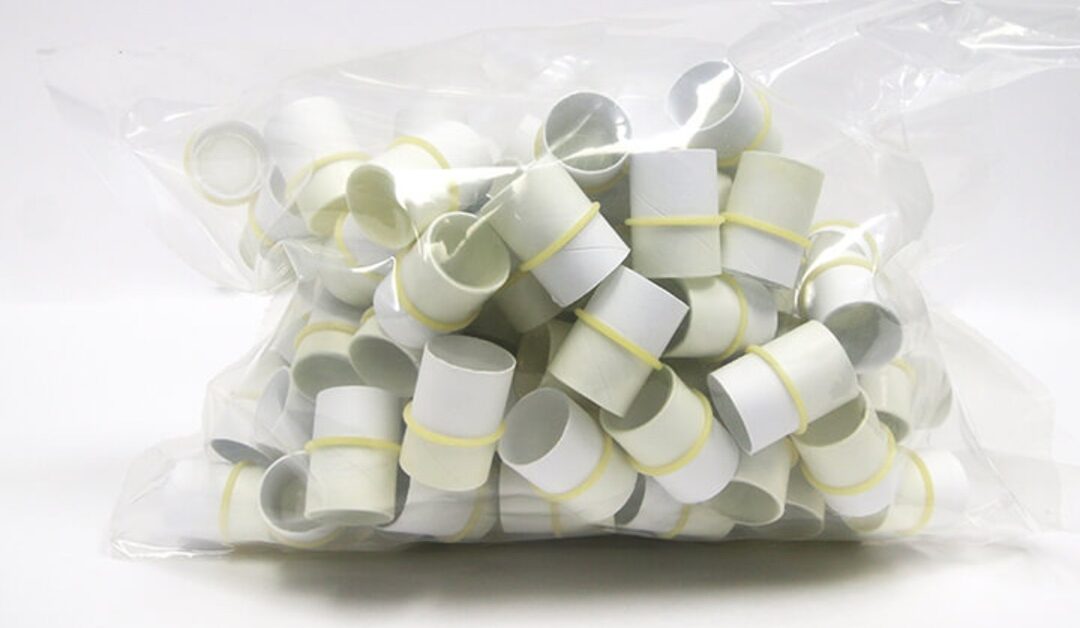
by justin | Oct 16, 2026 | Optometry
Choosing supplies for a tonometry workflow deserves the same care you give the instrument itself. When you choose high-quality tonometer supplies, look for products that fit your equipment and support consistent day-to-day use. Details such as compatibility and...

by justin | Sep 14, 2026 | Optometry
Using a Tono-Pen cover may seem straightforward, but small handling mistakes can create unnecessary problems during a busy exam schedule. Treat each cover as a single-use component that deserves the same care as the instrument itself. Proper handling protects the...

by justin | Sep 1, 2026 | Optometry
Tonometry is a familiar part of eye care, but aging can add another layer to the way you interpret each measurement. When you’re evaluating aging eyes, tonometry accuracy calls for careful attention to the patient’s individual ocular characteristics rather...

by justin | Aug 26, 2026 | Optometry
Every step you take before tonometry plays a role in maintaining a clean and efficient clinical workflow. The small adjustments you make during preparation help you avoid interruptions with patients. Therefore, developing reliable habits around disposable supplies...

by justin | Aug 18, 2026 | Optometry
Running an efficient practice takes attention to every detail, including the supplies you use throughout the day. When eye clinics look for practical ways to reduce supply waste costs, small operational improvements can add up. Moreover, thoughtful inventory habits...
